

48 Hour Rule: Return to the Gym After a Tattoo
Wait a minimum of 48 hours before setting foot back in the gym, then ease in with a staged plan rather than jumping to your old routine. Skip anything that touches the tattooed area or triggers heavy sweat, and hold off on swimming or contact sports for at least two weeks. Clean the tattoo the moment you’re home from any workout, and stick to whatever aftercare your artist gave you.
TL;DR:
- Light activities such as walking or upper-body movements can resume after day 3, provided the tattooed area remains undisturbed and heavy sweating is avoided.
- Swimming, hot tubs, contact sports, and high-sweat workouts should be postponed until at least week 2 to minimize infection and ink fading risks.
- Proper gym habits include wearing loose clothing, sanitizing shared equipment, showering at home, and avoiding wraps unless specifically recommended by your artist.
- Signs of infection, such as fever, spreading redness, or unusual discharge, require stopping exercise immediately and seeking medical advice.
- Using appropriate aftercare products during recovery supports healing and ensures the tattoo remains crisp and vibrant, especially once moderate activity resumes.
Table of Contents
- When Can I Exercise After a Tattoo? A Week-by-Week Timeline
- Which Workouts Are Safe, and Which Should You Skip?
- How to Protect Your Tattoo During a Gym Session
- Post-Workout Tattoo Care: What to Do Every Time
- When Should You Delay Your Return to the Gym?
- Why This Advice Holds Up
- A Founder’s Note on Patience and Ink
- TBNC Tattoo Aftercare Products for Your Gym Comeback
- Sources
- FAQ
When Can I Exercise After a Tattoo? A Week-by-Week Timeline
Fresh ink is an open wound, and the gym is full of bacteria, friction, and sweat, three things that wound does not need. Dermatologists and tattoo professionals generally point to the same conservative starting line: 48 hours of complete rest before any structured activity resumes.
Here’s how the return typically breaks down:
- Day 0 to 2: No gym at all. Keep any bandage on exactly as long as your artist instructed, and let the area stay undisturbed.
- Day 3 to 7: Light, selective movement is fine, think walking or upper-body work if your tattoo is on your leg, as long as you keep the tattooed skin completely out of the equation and avoid working up a heavy sweat.
- Week 2: Most moderate workouts are back on the table if there’s no scabbing, oozing, or lingering tenderness. Pools and hot tubs stay off-limits.
- Week 3 and beyond: Full routines, including the exercises you skipped, become reasonable once the skin looks matte rather than shiny, scabs have fully shed, and there’s zero pain on contact.
That staged approach lines up with what Healthline reports on healing biology: surface healing usually starts within 7 to 14 days, but the deeper layers of skin can take 4 to 6 weeks to fully close. Push intensity before that window closes and you risk infection, irritation, and ink that fades before it’s even settled.
Which Workouts Are Safe, and Which Should You Skip?
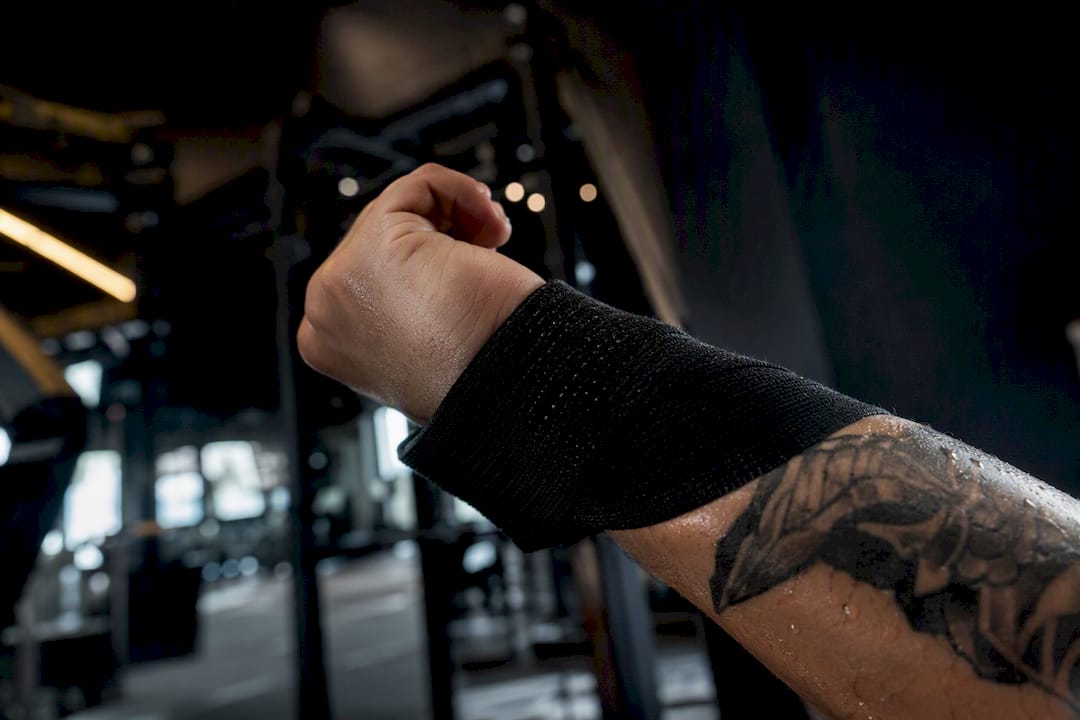
Not every exercise carries the same risk, and the deciding factor almost always comes down to friction, sweat volume, and whether the movement stretches the skin where the tattoo sits.
Generally safe during early healing:
- Walking or a gentle stationary bike, provided the tattoo isn’t in the contact zone
- Mobility drills and stretching for untouched muscle groups
- Light resistance training on body parts far from the tattoo
Better left for later:
- Swimming or hot tubs, since pools and open water carry bacteria and chemicals that can infect or fade healing ink
- Contact sports, where impact and friction are a given
- HIIT or anything that produces heavy, prolonged sweat
- Heavy compound lifts that stretch the tattooed area under load
Placement changes the math, too. A forearm or hand tattoo means avoiding barbells, dumbbells, and gripping machines until the skin closes. Thigh or glute tattoos don’t mix well with seated cycling or running if the fabric rubs or the motion pulls at the skin. A tattoo that crosses a joint, like an elbow, knee, or wrist, is especially vulnerable, since repeated stretching during workouts can distort line work and shading while it’s still healing.
Pro Tip: If you’re not sure whether a movement is safe, ask yourself if it would make your tattoo sweat, stretch, or rub against clothing. If the answer is yes to any of those, swap it out for now.
How to Protect Your Tattoo During a Gym Session
A few small habits make the difference between training safely and setting your healing back a week. Build these into your routine before you walk through the door.
- Dress loose. Choose breathable layers over anything compressive that presses directly on the tattoo. Loose training shorts or a roomy tee reduce friction far better than tight fabric.
- Skip the DIY wrap. Only use an adhesive dressing if your artist specifically recommends one. Wrapping fresh ink in plastic during a workout traps heat and moisture, and that trapped sweat is a common cause of self-inflicted irritation.
- Wipe down equipment first. Sanitize benches, handles, and machines before you touch them, and lay a clean towel between your skin and any shared surface.
- Time it right. Training during off-peak hours means less contact with high-touch equipment and fewer people brushing past your tattoo.
- Shower at home. Wait until you’re back at your own bathroom to wash the tattoo properly rather than using gym showers, which see heavy foot traffic and shared surfaces.
Post-Workout Tattoo Care: What to Do Every Time
Your aftercare routine after a workout matters just as much as anything you do at the gym. Treat it as a non-negotiable checklist, not an optional step.
- Wash your hands before you touch the tattoo, every single time.
- Cleanse gently with a fragrance-free soap and lukewarm water, never scrub.
- Pat the area dry with a clean towel, don’t rub.
- Apply a thin layer of your recommended aftercare product, following whatever schedule your artist gave you. A dedicated tattoo aftercare balm applied correctly keeps the area moisturized without smothering it.
- Change out of sweaty workout clothes right away. Don’t re-cover the tattoo with anything non-breathable afterward.
- Keep a mental note of how the area looks day to day. Increased pain, redness, or discharge means it’s time to pause workouts and reassess.
When Should You Delay Your Return to the Gym?
Some signs mean you need to stop training altogether and get medical input, not just modify your routine. Cleveland Clinic flags fever, spreading redness, unusual warmth, and yellow or green discharge as infection indicators that warrant a call to your doctor.
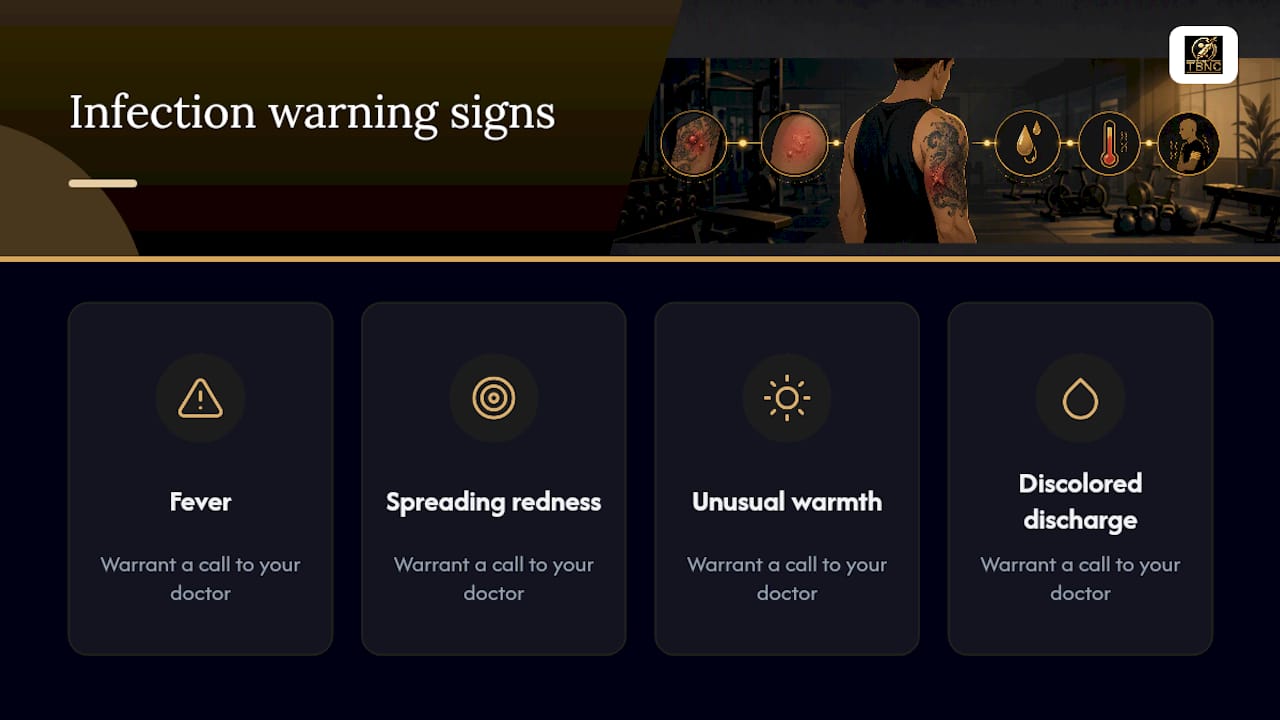
Short of infection, keep resting if the tattoo is still oozing, remains extremely painful to the touch, or sits somewhere your workouts repeatedly rub or stretch. When you’re genuinely unsure, a board-certified dermatologist or the artist who did the work is a better judge than a forum post or a training buddy’s opinion.
Why This Advice Holds Up
Nearly 32% of American adults have at least one tattoo, which is exactly why “can I work out after this” is such a common question, and why the guidance needs to be grounded in more than gym-floor folklore.
The staged timeline here reflects dermatologist consensus on a minimum 48-hour pause, paired with the kind of gentle-clean-and-moisturize approach clinics recommend for wound care generally. A few things worth keeping in mind:
- The 48-hour rule and staged reintroduction come from tattoo and fitness experts, not a single opinion.
- Watching for fever, spreading redness, or drainage matches standard medical guidance on when a wound needs attention.
- TBNC Tattoo’s aftercare line, trusted by over 3,250 studios worldwide, supports the moisturizing and soothing steps in this guide, but it works alongside good judgment and your artist’s instructions, not as a substitute for either.
A Founder’s Note on Patience and Ink
Wanting to get back to your normal training split within a day or two of a new tattoo is completely understandable, we hear it constantly. But the staged approach isn’t overly cautious for its own sake; it’s what protects the crisp lines and saturated color you paid for. A few days of modified workouts is a small trade for ink that heals clean and holds up for years. That’s exactly why we build products that support the healing window instead of rushing past it.
— The Best Numbing Cream
TBNC Tattoo Aftercare Products for Your Gym Comeback
Once you’re cleared to move again, what you put on your skin matters as much as what you avoid at the gym. TBNC Tattoo built its aftercare line around the exact phases this guide walks through, so you’re never guessing what to reach for.
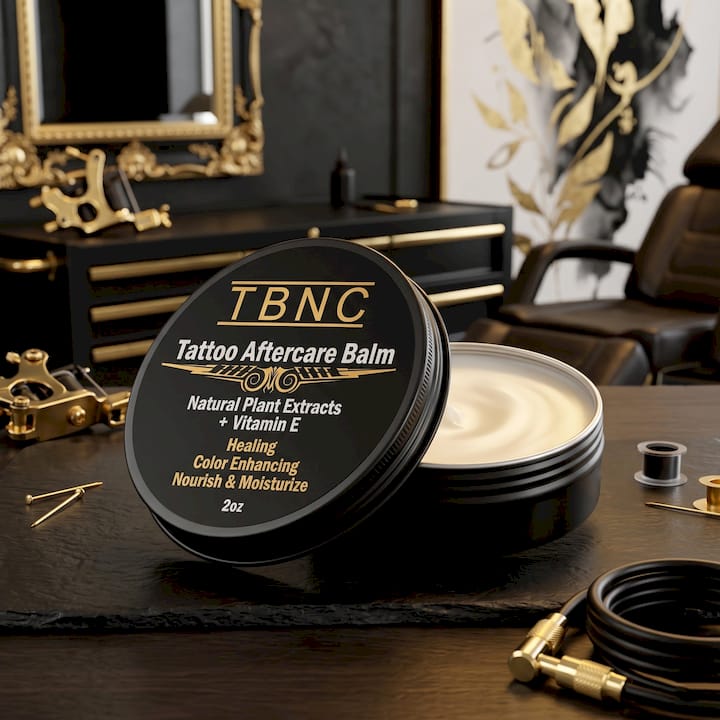
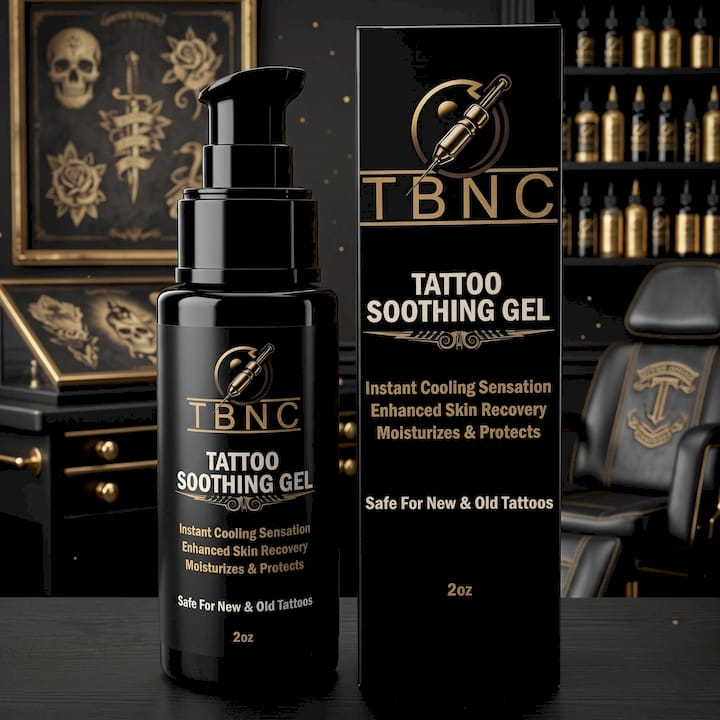
During the scab and peel phase, the Tattoo Aftercare Balm is built for daily moisturizing without clogging the skin. If you’ve just come back from a light workout and the area feels irritated or tight, the Tattoo Soothing Gel calms things down fast. And once peeling has fully subsided, the Tattoo Aftercare Lotion - Unscented keeps skin hydrated long term without added fragrance that could irritate sensitive, healing skin. Browse the full post-tattoo aftercare collection and pick the products that match where you are in the healing timeline right now.
Sources
For deeper detail on healing timelines, infection warning signs, and gym-specific precautions, see Cleveland Clinic’s tattoo aftercare guidance, Healthline’s breakdown of working out after a tattoo, and Shallows Studio’s practical return-to-gym timeline. TBNC Tattoo’s own aftercare guide rounds out the product side of the equation.
- When Can You Work Out After Getting a Tattoo? (Peloton)
- Working Out After a Tattoo (Healthline)
- Tattoo aftercare (Cleveland Clinic)
FAQ
When Can I Do Gym Workouts After a Tattoo?
Wait at least 48 hours before any gym activity, then reintroduce light, tattoo-avoidant movement between day 3 and day 7, with most moderate training returning by week 2.
Can I Sweat Two Days After a Tattoo?
Light sweating from mild movement is generally low-risk after 48 hours, but heavy, prolonged sweating should wait since moisture trapped against fresh ink raises irritation and infection risk.
Is $50 a Good Tip for a $500 Tattoo?
Tipping norms vary, but many clients tip in the 15% range for tattoo work, with the exact amount depending on your relationship with the artist and studio norms.
Can I Work Out Seven Days After a Tattoo?
Yes, with modifications. By day 7 you can typically do light, selective training that avoids the tattooed area and heavy sweat, but full-intensity workouts on that spot usually wait until week 2 or later depending on healing progress.


