

Two Step Tattoo Healing Cream Routine: TBNC for Day 0–3 and Beyond
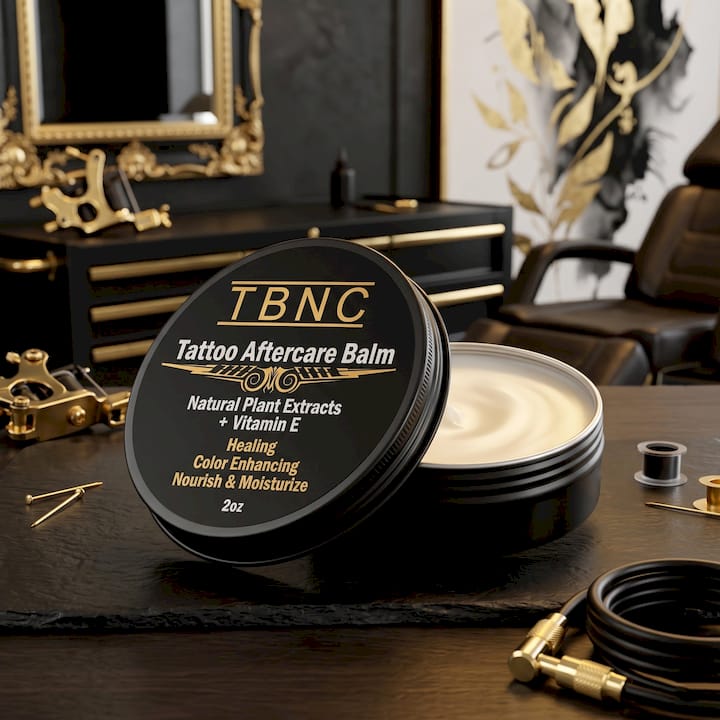
The best tattoo healing cream isn’t one product. It’s a two-step system: a protective ointment for the first few days, then a lightweight, fragrance-free lotion for the peeling and settling phase. TBNC Tattoo’s Aftercare Balm handles day zero through day three, and the unscented Aftercare Lotion takes over from day four through full healing. Both are designed without fragrances or alcohol that can stall recovery.
TL;DR:
- Using a thick ointment like TBNC Tattoo’s Aftercare Balm during days zero to three helps form a protective barrier without suffocating the skin.
- Switching to a fragrance-free, lightweight lotion on day four or later prevents clogged pores during peeling and promotes healthy healing.
- Avoid applying excessive products, layering multiple creams, or picking at scabs, as these practices can damage the healing tattoo or cause infection.
- Ingredients like fragrance, alcohol, and antibiotics should be avoided in aftercare products because they can irritate or dry out healing skin.
- After full healing, applying SPF 30+ mineral sunscreen and covering the tattoo with clothing helps preserve ink color and prevent damage.
Table of Contents
- Which TBNC Product Should You Use, and When?
- What’s the Day-by-Day Tattoo Aftercare Timeline?
- What Ingredients Should You Look For or Avoid?
- What Mistakes Wreck a Healing Tattoo?
- Why TBNC Tattoo Builds Aftercare Around Simplicity
- Ready to Stock Your Aftercare Kit?
- Sources
- FAQ
Which TBNC Product Should You Use, and When?
Fresh ink needs a different kind of protection every few days, and grabbing whatever moisturizer is in the bathroom cabinet is how a good tattoo ends up patchy or infected. The aftercare lineup is built around the healing timeline instead of a one-size-fits-all tub of cream.
For the first few days, when the skin is still an open wound in every practical sense, the Tattoo Aftercare Balm does the heavy lifting. It’s formulated as an ointment-style barrier, thick enough to seal out bacteria and lint but light enough that it won’t suffocate the skin the way petroleum jelly alone can when overapplied. A thin coat, two to three times daily, is the target.
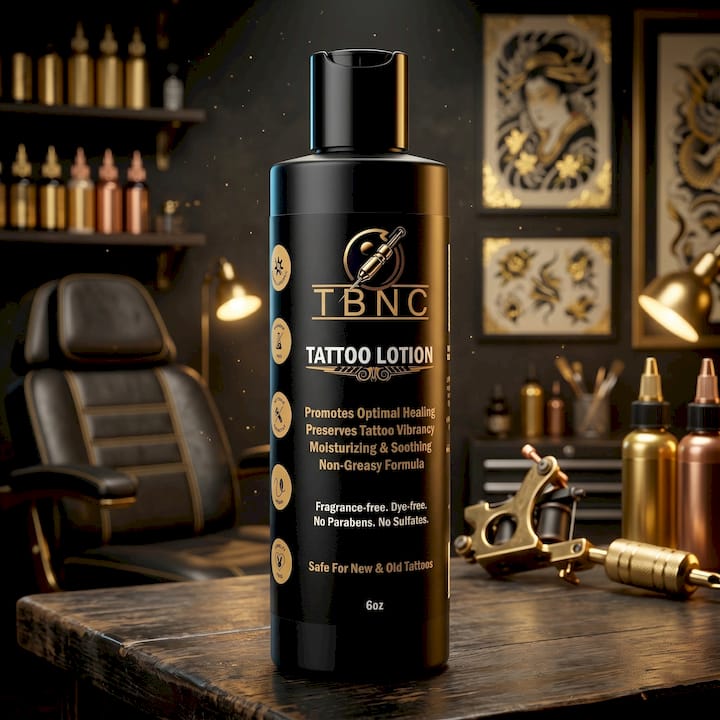
Once the tattoo stops weeping and starts flaking, usually around day four, switch to the unscented Aftercare Lotion. It’s lighter, absorbs faster, and won’t clog the pores that are trying to shed dead skin during peeling. For readers who want the reasoning behind the ointment-to-lotion handoff spelled out in more detail, TBNC Tattoo’s breakdown of the best tattoo healing ointment walks through why the switch matters.
If itching becomes the main complaint during that peeling week, the Tattoo Soothing Gel is worth adding in. It’s cooler on contact and helps with the maddening itch that hits right as scabbing loosens.
For anyone getting a larger piece, a full sleeve, or a multi-session back piece, buying pieces individually gets expensive and easy to mismanage. That’s where the bundles earn their keep:
- Tattoo Numbing Bundle: pairs a numbing formula for the session itself with core aftercare, built for longer sittings.
- Tattoo Numbing & Aftercare Bundle: the full loop, from pre-session comfort through the healing window, for people who want one purchase instead of five.
- Ultra Tattoo Numbing Bundle: a step up for bigger pieces or repeat collectors who go under the needle often.
- Tattoo Butter Travel Sticks: a portable option for people healing a tattoo while traveling or at work, where a full jar isn’t practical.
If you’re outfitting a first tattoo, the Beginner Tattoo Bundle bundles the essentials without forcing you to guess what you actually need.
What’s the Day-by-Day Tattoo Aftercare Timeline?
Healing follows a fairly predictable arc, and the products you reach for should follow it too.
- First wash (within a few hours): Once your artist removes the initial covering, wash gently with lukewarm water and a fragrance-free soap. Pat dry, never rub.
- Days 0 to 3, wait before moisturizing: Hold off on any cream until the tattoo stops weeping plasma, which usually takes about one to two days. Then apply a whisper-thin layer of ointment a few times daily, typically two to three times.
- Days 4 to 14, switch to lotion: As the surface starts flaking, move to a lightweight, fragrance-free lotion. Reapply whenever skin feels tight, typically several times daily, often two to four times.
- After full healing (week 3 onward): Once the surface is smooth and no longer peeling, sunscreen becomes part of the routine. The American Academy of Dermatology is specific here: don’t put sunscreen on a healing tattoo, cover it with breathable clothing instead, and reserve SPF 30+ mineral sunscreen for after the skin has closed completely.
Pro Tip: Warm a small amount of ointment between your fingertips before applying. Cold product straight from the jar spreads unevenly and tempts you to rub harder than a fresh tattoo can tolerate.
Long after healing, tattoos that get regular sunscreen keep their color longer than ones left exposed. TBNC Tattoo’s sunscreen guide for tattoos covers timing and product picks in more depth.
What Ingredients Should You Look For or Avoid?
Reading a label matters as much as picking the right jar. Fragrance, dye, and alcohol are the three ingredients most likely to turn a normal healing tattoo into an irritated, angry one, and dermatological guidance is consistent on cutting all three out for the first two weeks.
Skip these:
- Added fragrance or dye, which are common triggers for contact dermatitis on healing skin
- Ethyl alcohol, which dries out the surface right when it needs moisture
- Topical antibiotic ointments like neomycin or bacitracin, which carry a real allergy risk and aren’t recommended for routine healing
Look for these instead:
- Hypoallergenic emollients and refined, medical-grade petrolatum for the first few days
- Panthenol, ceramides, and hyaluronic acid, which support the skin barrier without heavy occlusion
- A pH-balanced, unscented formula with a clean preservative profile
One detail that trips people up: lanolin. It shows up in some tattoo balms as a moisturizing agent, but it’s derived from wool grease and is a known allergen for anyone with wool sensitivity. If you’ve reacted to lanolin-based lip balm or lotion before, look for a plant-oil-based formula instead. EADV guidance backs the broader point: keep the surface lightly moisturized with a hypoallergenic product, and skip disinfectants or antibiotic creams unless a professional has actually diagnosed an infection.
What Mistakes Wreck a Healing Tattoo?
Most damage during healing isn’t from bad luck. It’s from good intentions applied badly.
- Piling on too much product. If the tattoo looks shiny and slick, you’ve overapplied. A whisper-thin layer is the target. Thick coatings trap moisture against the skin and create a breeding ground for bacteria.
- Layering multiple products at once. One ointment, then one lotion. Mixing three “healing” creams together doesn’t speed anything up. It just increases the odds one of them irritates the skin.
- Picking at scabs. It’s tempting, but picking pulls out ink along with the scab and can leave permanent blank spots.
- Sun exposure before full healing. Even a few minutes without cover can blister skin that’s still repairing itself.
Pro Tip: If you notice spreading redness, pus, fever, or red streaking away from the tattoo, stop self-treating and call a clinician. Normal healing is itchy and flaky, not hot and swollen.
Why TBNC Tattoo Builds Aftercare Around Simplicity
We built the aftercare line the way dermatologists actually recommend healing works: fewer ingredients, fewer steps, less guessing. Experience with many studios and tattoo sessions taught that complicated routines fail. Fragrance-free, dye-free, and dermatologist-approved is the whole design philosophy. For a deeper look at how the healing timeline actually works, our 30-day aftercare routine guide walks through it week by week.
— The Best Numbing Cream
Ready to Stock Your Aftercare Kit?
If you’ve got a small, single-session tattoo coming up, the Tattoo Aftercare Lotion alone covers the moisturizing phase once the ointment days are done. Booking a longer or larger session? The Tattoo Numbing & Aftercare Bundle covers comfort during the tattoo and recovery afterward in one order, which beats piecing together separate numbing cream and aftercare purchases from different brands. Traveling right after your appointment? The Tattoo Butter Travel Sticks keep your routine intact without hauling a full-size jar through airport security.
TBNC Tattoo formulas skip the fragrance and alcohol that dermatology guidance flags as risky for fresh ink, so you’re not stuck reading ingredient labels at the drugstore trying to guess what’s safe. Pick the bundle that matches your session size, add it to your cart, and have it ready before your appointment instead of scrambling for aftercare the night you get inked.
Sources
This guide draws on American Academy of Dermatology sunscreen guidance, Cleveland Clinic aftercare fundamentals, Healthline ingredient advice, and EADV clinical guidance.
- Tattoo aftercare
- Caring for tattooed skin - American Academy of Dermatology
- EADV tattoo aftercare guidance (PDF)
FAQ
What cream is best for healing tattoos?
A two-step approach works best: a fragrance-free ointment like TBNC Tattoo’s Aftercare Balm for the first few days, followed by an unscented lotion for the peeling phase that follows.
What heals tattoos the fastest?
No cream speeds up the biological healing process itself. The role of aftercare is keeping the area clean, moist, and free of irritants so healing isn’t slowed down or complicated by infection or dryness.
What is better than Aquaphor for tattoos?
A dedicated tattoo balm formulated without added fragrance and with a lighter, non-occlusive base tends to work better than general-purpose petroleum jelly products, since it’s built specifically for the fresh-tattoo healing window rather than general skin dryness.
Why do tattoo artists say not to use Aquaphor for tattoos?
Many artists worry that thick petroleum-based products, if overapplied, trap too much moisture against the skin and clog pores during peeling, which is why a thinner application or a dedicated tattoo-specific balm is often recommended instead.
When should I start using sunscreen on a new tattoo?
Wait until the tattoo is fully healed, then use SPF 30+ mineral sunscreen. Cover the area with breathable clothing in the meantime, since sunscreen on unhealed skin can cause irritation.


