

Science Backed: Wait 24–48 Hours Before Drinking After a Tattoo
Wait at least one to two days before drinking alcohol after getting a new tattoo. Alcohol thins your blood and dulls your immune response right when your skin needs to clot, seal, and start fighting off bacteria. Push past that window on a big piece or during rough healing, and you’re gambling with bleeding, infection, and patchy ink. Details on the timing and aftercare follow below.
TL;DR:
- Waiting at least 24 hours after getting a tattoo prevents alcohol from impairing blood clotting during the critical initial healing phase.
- Extending the abstinence to 48 hours or more is recommended for larger, more complex, or friction-prone tattoos to reduce risks of uneven healing.
- Avoiding alcohol before a tattoo appointment minimizes excessive bleeding during the session and ensures better visibility and ink placement.
- Refraining from alcohol during the first two days supports immune function, reduces scabbing, and prevents patchy pigment or prolonged redness.
- Moderation or proper timing when drinking after healing reduces long-term impact, such as skin aging, elasticity loss, and need for touch-ups.
Table of Contents
- Why Alcohol Messes With Fresh Tattoo Healing
- How Long to Wait Before Drinking After a Tattoo
- Why You Shouldn’t Drink Before Your Tattoo Appointment Either
- Your First 48 Hours: Aftercare That Cancels Out the Risk
- Warning Signs That Mean More Than Normal Healing
- Where Aftercare Products Fit Into a No-Alcohol Healing Window
- Does Alcohol Interfere With Aftercare Products or Medications?
- What Repeated Drinking Does to Tattoos Over Time
- Balancing Social Life With Clean Healing: An Editorial Take
- Simple Aftercare Products That Support the No-Alcohol Window
- Sources
- FAQ
Why Alcohol Messes With Fresh Tattoo Healing
A fresh tattoo is an open wound made of thousands of tiny puncture points, and alcohol attacks the exact processes your body needs to close it. Understanding the mechanism makes the waiting period feel less like an arbitrary rule and more like basic damage control.
Blood thinning comes first. Alcohol transiently prolongs bleeding time and impairs platelet function, which means the clotting your skin relies on to seal a fresh tattoo takes longer and works less efficiently. That’s the biological reason so much aftercare advice centers on the first two days.
Immune suppression comes second, and it’s the part most people never hear about. Animal research shows acute ethanol exposure delays wound closure and reduces macrophage recruitment at the injury site. Macrophages are the cleanup crew that clears debris and bacteria before new skin can form. Without them showing up on schedule, healing stalls and infection risk climbs.
Binge-pattern drinking makes it worse. Research on episodic binge ethanol exposure found reduced antimicrobial peptide production in skin, the natural compounds that keep bacteria in check while a wound is open. Human trauma data backs this up outside the lab too: patients with alcohol in their system at the time of injury show altered cytokine profiles, including shifts in IL-6 and IL-10, both markers tied to how well the body regulates inflammation.
Here’s what that adds up to in practice:
- Heavier scabbing. Slower clotting plus sluggish immune response often means thicker, more stubborn scabs than a well-rested healing process produces.
- Patchy ink. When skin cells regenerate unevenly, pigment can settle inconsistently, leaving faded or blotchy patches instead of solid color.
- Longer redness and swelling. Impaired angiogenesis, the process of building new blood vessels, delays epithelial coverage and collagen synthesis, so the irritated look sticks around longer than it should.
- Dehydration compounds everything. Alcohol pulls water out of your system right when your skin barrier needs hydration to rebuild, and poor sleep after drinking slows the repair work your body does overnight.
One detail worth sitting with: researchers studying wound healing describe alcohol’s effect as a kind of subclinical immunosuppression, meaning the immune changes are small enough that you’d never notice them day to day. They only become a real problem when your body is already busy repairing something, like a tattoo.
How Long to Wait Before Drinking After a Tattoo
The 1 to 2 day window isn’t a guess pulled from tattoo shop folklore. It maps directly onto two biological events: clot stabilization and the early inflammatory phase, when your body is most dependent on normal platelet function and immune signaling.
- Hold off for at least 24 hours no matter what. This covers the initial clotting window, when your skin is most vulnerable to the bleeding effects described above.
- Extend to 48 hours for anything beyond a small, simple design. Large pieces, heavy shading, and dense linework create more trauma and more surface area for complications, so give your body extra runway.
- Add more time if the tattoo sits somewhere prone to friction or stretching, like ribs, hands, or joints. Movement reopens micro-tears faster in these spots, and alcohol’s clotting effects make that worse.
- Push the wait further if you’re on blood thinners, have an autoimmune condition, or take medication that affects immune function. Your baseline risk is already elevated before alcohol enters the picture.
- Check for these signs before you decide it’s safe: no active weeping or oozing, pain that’s trending down rather than sideways, and redness that’s visibly calming compared to day one.
If you’re still seeing wet, shiny skin around the tattoo after 48 hours, that’s your body telling you it’s not done with the early repair phase yet. Give it another day. A tattoo that’s tracking normally will look duller, drier, and less angry with each passing day, not static or worse.
Why You Shouldn’t Drink Before Your Tattoo Appointment Either
The pre-appointment window matters just as much as the aftercare window, and it’s the one people plan for least. Alcohol in your system before you even sit in the chair creates problems for both you and your artist.
Because alcohol prolongs bleeding time, excess blood pools on the skin during the session itself. That forces your artist to stop and wipe more often, which stretches out your session, makes it harder to see the line work clearly, and can actually affect how cleanly pigment sets into the skin.
Plenty of tattoo studios have outright refuse-service policies for clients who show up intoxicated, and it’s not about being uptight. Consent matters legally and ethically, and a client who’s been drinking can’t reliably confirm placement, size, or last-minute design changes. Excess bleeding also makes it harder for artists to judge needle depth accurately.
The fix is simple:
- Avoid alcohol for about one to two days before your appointment, the same window you’ll follow afterward.
- Eat a real meal beforehand. Low blood sugar plus a long sitting session is a fast track to lightheadedness.
- Hydrate well the day before and the morning of. Well-hydrated skin also tends to hold ink a little more evenly.
- Sleep normally the night before. Alcohol disrupts sleep architecture even when you don’t feel hungover, and tired skin doesn’t handle trauma as well.
Your First 48 Hours: Aftercare That Cancels Out the Risk
Even if you’re not planning to drink, this routine matters. But if a birthday, wedding, or long-planned night out is unavoidable, tightening up your aftercare gives you the best shot at a clean result anyway.
- Leave the initial bandage on for the time your artist specified, typically two to four hours, then remove it gently with clean, wet hands rather than peeling it dry.
- Wash the tattoo with lukewarm water and a fragrance-free soap two to three times daily for the first two days, patting dry instead of rubbing.
- Apply a thin layer of moisturizer once skin is clean and dry. Too much product traps moisture against the wound and can encourage the exact bacterial growth you’re trying to avoid.
- Drink water consistently through the day, aiming for steady intake rather than a big glass here and there. Electrolyte drinks help if you were dehydrated going into the session.
- Eat protein-forward snacks, like Greek yogurt, eggs, or a handful of nuts. Protein supplies the building blocks your skin needs for collagen repair.
- Prioritize sleep. Most tissue repair happens while you’re unconscious, and cutting sleep short during the first two nights slows everything else on this list.
If you do end up drinking once you’re past the safe window, a few adjustments protect the healing work you’ve already put in:
- Rehydrate before you drink, not just after. Starting hydrated blunts some of alcohol’s dehydrating effect on skin.
- Keep it moderate. This isn’t about total abstinence forever, just about not undoing several days of careful healing in one night.
- Skip hot tubs, saunas, and pools entirely, regardless of how healed the tattoo looks, since submerging a healing tattoo introduces bacteria that alcohol’s suppressed immune response is less equipped to fight off.
- Keep the tattoo loosely covered while you’re out if you’ll be in a crowded bar or club environment where friction and contact are hard to avoid.
Pro Tip: If you know a night out is coming, do your full cleaning and moisturizing routine before you leave the house, not after you get home at 2 a.m. exhausted. A tired, half-asleep aftercare routine is how corners get cut.
Nonalcoholic swaps work better than most people expect here. A sparkling water with lime or a zero-proof cocktail lets you participate in the night without adding dehydration and immune suppression on top of a healing wound.
Warning Signs That Mean More Than Normal Healing
Some redness, tenderness, and mild swelling are expected for the first several days. A genuine infection looks and feels different, and catching it early matters more than almost anything else in this whole process.
Get medical attention if you notice:
- Fever or chills, especially combined with fatigue
- Redness that’s spreading outward rather than staying contained to the tattooed area
- Green or yellow discharge, or pus with a strong odor
- Pain that’s getting worse on day four or five instead of easing up
- Red streaks radiating away from the tattoo, which can signal the infection is tracking through your lymphatic system
If you spot any of these, call a doctor or urgent care and describe exactly what you’re seeing, including how many days post-tattoo you are and what aftercare products you’ve used. Photos taken in good lighting help a clinician assess progression if you need a follow-up call. Loop in your tattoo artist too. Reputable studios want to know about complications, and many can tell you quickly whether what you’re seeing is a normal healing hiccup or something that needs a doctor’s eyes.
Where Aftercare Products Fit Into a No-Alcohol Healing Window
Topical care won’t undo the biological effects of alcohol, but it does support the parts of healing that are within your control every single day, alcohol or not.
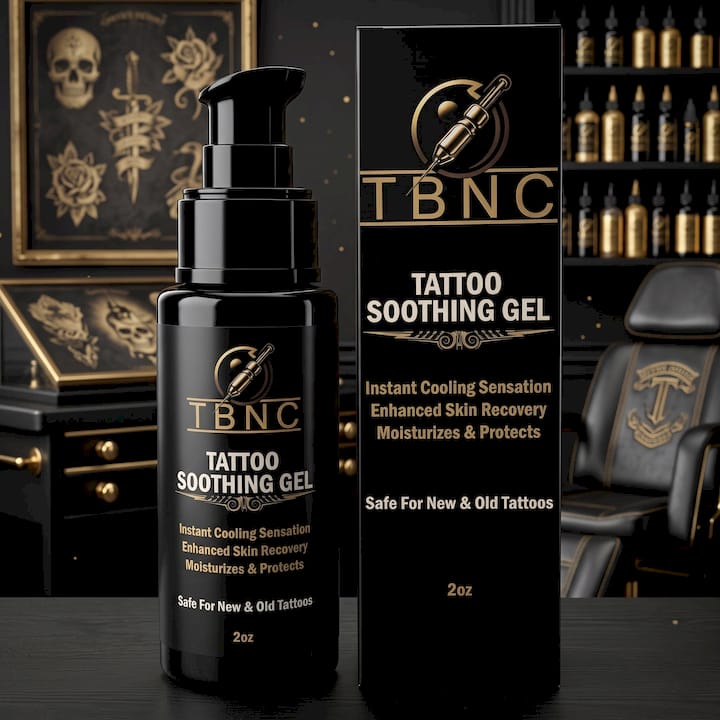
Tattoo soothing gels are designed for the early, irritated stage of healing, when skin is tight, warm, and reactive right after cleaning. A lightweight gel formula sits well on healing skin without smothering it, which matters most in that first 48 to 72 hour stretch when you’re also avoiding alcohol.
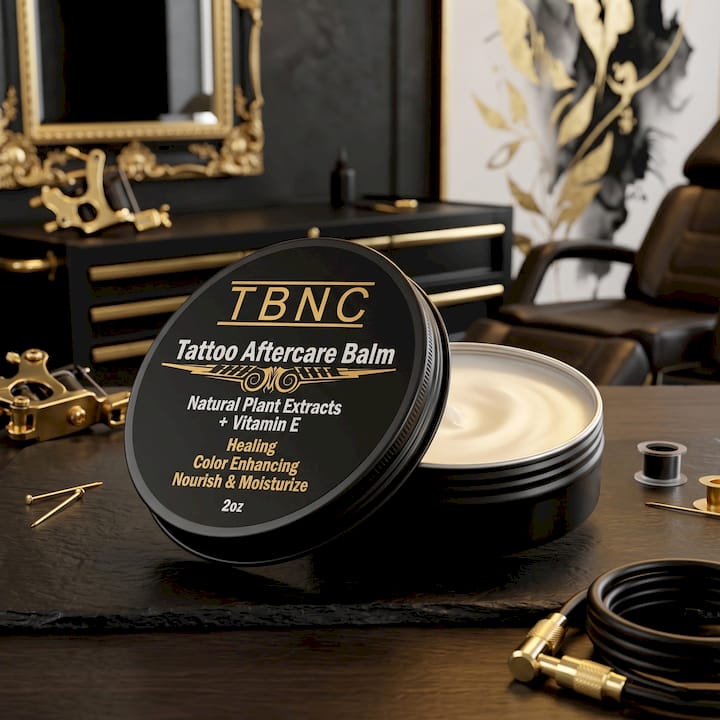
Once the tattoo moves past the weeping stage, typically a few days in, the Tattoo Aftercare Balm takes over as the ongoing moisturizer that keeps the skin barrier flexible while new layers form underneath. Apply either product to clean, dry skin, never over an actively weeping wound, and always with clean hands.
Neither product treats infection. If you see the warning signs above, a topical routine is not a substitute for calling a doctor.
Does Alcohol Interfere With Aftercare Products or Medications?
Alcohol doesn’t chemically interact with most topical tattoo aftercare products the way it can with oral medications, but the timing overlap still creates problems worth knowing about.
If you’re taking over-the-counter pain relievers like ibuprofen for post-tattoo soreness, mixing them with alcohol raises your risk of stomach irritation and, in some cases, additional bleeding risk since both substances affect clotting pathways independently. That’s a compounding effect on top of what alcohol already does to platelet function on its own.
For anyone on prescription medications, especially blood thinners, antibiotics, or immunosuppressants, alcohol can interfere with how those drugs work or intensify side effects like drowsiness and dizziness. If your artist or a clinician has prescribed anything for aftercare, check with a pharmacist before adding alcohol into the mix, particularly during the first week.
There’s also a practical, non-chemical interaction worth mentioning: drinking tends to make people sloppier about their routine. A tattoo that gets moisturized inconsistently, or touched with unwashed hands during a night out, faces more risk from that behavior change than from any direct product interaction. The safest approach is simple. Keep your cleaning and moisturizing schedule non-negotiable, and treat alcohol as something you plan around rather than something that pauses your aftercare for the night.
What Repeated Drinking Does to Tattoos Over Time
A single night of drinking after the healing window closes isn’t going to ruin a tattoo. Chronic, heavy alcohol use over months and years is a different story, and it shows up in ways beyond the ink itself.
Alcohol dehydrates skin repeatedly over time, and dehydrated skin loses elasticity faster. Less elastic skin ages differently, and tattoos on skin that’s lost firmness tend to look softer around the edges sooner than they would otherwise, since crisp linework depends partly on the skin holding its structure. Heavy, sustained drinking is also linked to nutritional deficiencies, particularly in vitamins that support skin repair and collagen production, which compounds the elasticity issue.
There’s a color side to this too. Skin that’s chronically inflamed or poorly hydrated doesn’t hold pigment as cleanly as well-maintained skin, and some artists report that clients with long-term heavy drinking habits tend to need touch-up work sooner than clients who don’t. That’s an observation from the field rather than a controlled study, but it lines up with what the wound-healing research already shows about impaired collagen synthesis and delayed epithelial repair under repeated alcohol exposure.
None of this means an occasional drink is a threat to your tattoo’s future. It means the same moderation that protects your liver and your skin generally also protects your ink long after the initial healing window closes.
Balancing Social Life With Clean Healing: An Editorial Take
The advice to “just wait 48 hours” sounds simple until it collides with an actual calendar. Bachelor parties, birthdays, and holidays don’t reschedule themselves around a fresh tattoo, and pretending otherwise ignores how people actually live.
The better move, when you can manage it, is planning the tattoo date itself around your social calendar rather than the other way around. Getting inked the day after a big event, instead of two days before one, removes the conflict entirely instead of forcing you to choose between a hangover and a healthy tattoo.
When timing doesn’t line up, the compromise isn’t abstinence forever. It’s picking one night, sticking to the 24 to 48 hour rule strictly, and treating that short window as a small investment against a much bigger cost: uneven healing, patchy color, or a touch-up appointment you didn’t want to pay for. Two days of restraint is a trade most people would take if they understood what’s actually happening under the skin.
— The Best Numbing Cream
Simple Aftercare Products That Support the No-Alcohol Window
Waiting out the 24 to 48 hour window is the biggest lever you control, but what you put on your skin during that stretch matters too. TBNC Tattoo’s Tattoo Soothing Gel is designed for the raw, tender first days, calming irritated skin right after washing without clogging the healing surface. Once the tattoo moves past the weeping stage, the Tattoo Aftercare Balm takes over as the daily moisturizer that keeps skin flexible while new tissue forms underneath.
These products can slot into a routine of clean skin first, then soothing gel early on, then balm as healing progresses. If you want the complete daily breakdown, the TBNC Tattoo Aftercare Guide walks through the full protocol day by day. Pick up either product on its own product page, or start with the soothing gel now and add the balm once your tattoo hits day three or four.
Sources
- Alcohol’s effects on bleeding time and hemostasis (PMC7403120)
- Brewing complications: the effect of acute ethanol exposure on wound healing (J Leukocyte Biology DOI)
FAQ
What happens if you drink 24 hours before a tattoo?
Alcohol in your system 24 hours before a session can thin your blood enough to increase bleeding during tattooing, which slows your artist down and can affect how cleanly ink sets into the skin. Many studios will also refuse to tattoo a visibly intoxicated client for safety and consent reasons.
What shouldn’t you do after getting a tattoo?
Avoid alcohol for at least 24 to 48 hours, skip hot tubs, pools, and saunas until fully healed, don’t pick at scabs, and stay out of direct sun on the healing area. Overwashing or over-moisturizing the tattoo can also slow healing.
Can I go clubbing after getting a tattoo?
It’s best to wait until you’re past the 24 to 48 hour window before a night out, and even then, keep the tattoo loosely covered and avoid tight, sweaty crowds that increase friction and bacterial exposure. Skip alcohol until that window closes, and rehydrate well if you plan to drink once it’s safe.
Is it safe to drink alcohol after tattoo aftercare products like soothing gel or balm?
Topical aftercare products like Tattoo Soothing Gel or Tattoo Aftercare Balm don’t chemically react with alcohol, but drinking during the early healing phase still slows the biological repair those products are supporting. Follow the 24 to 48 hour alcohol window regardless of which aftercare products you’re using.
How long until a tattoo is fully healed and alcohol has no effect on it?
Surface healing typically takes two to three weeks, though deeper skin layers can take up to a few months to fully settle. Occasional moderate drinking after the initial 48 hour window generally poses minimal risk to a tattoo that’s healing normally.


